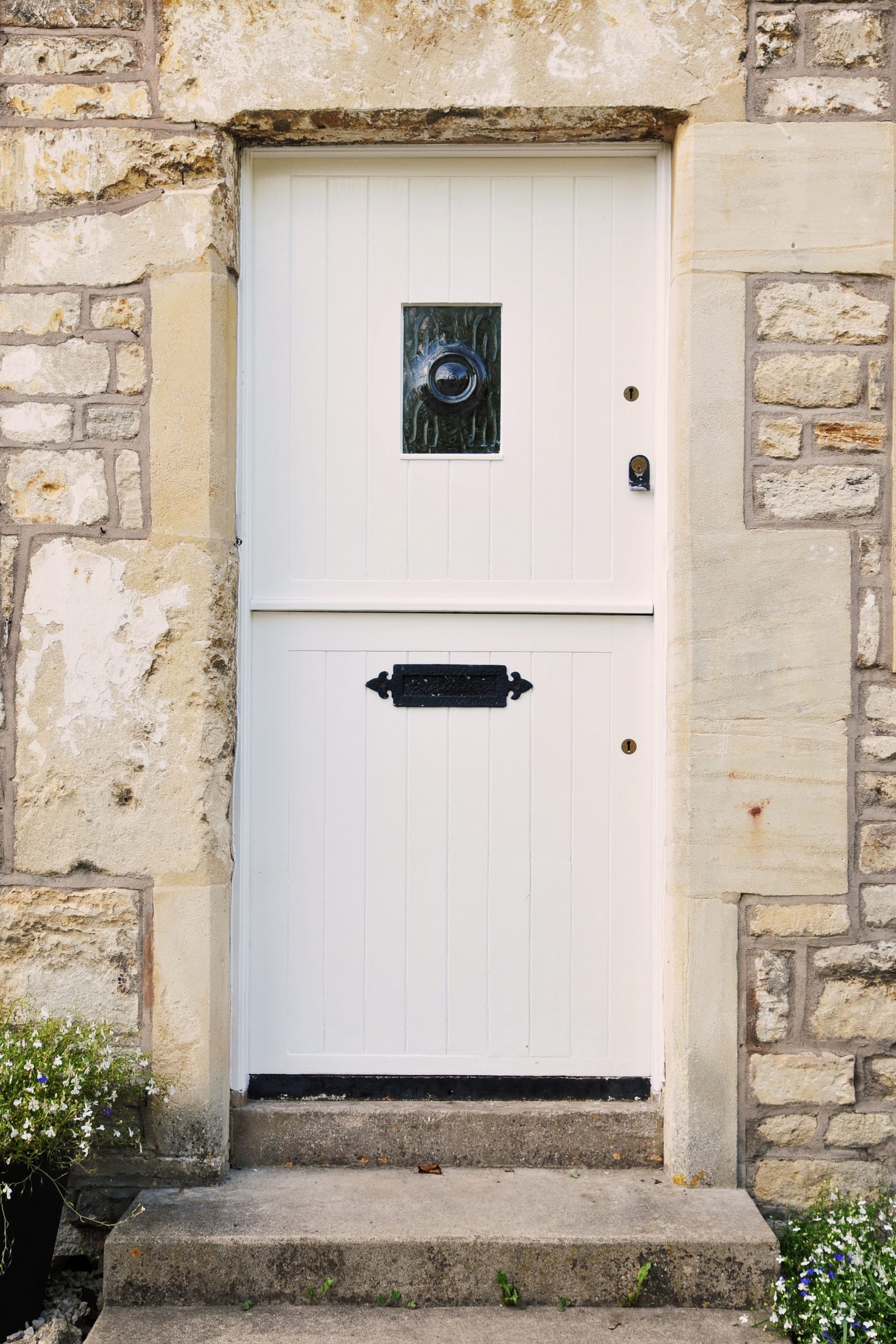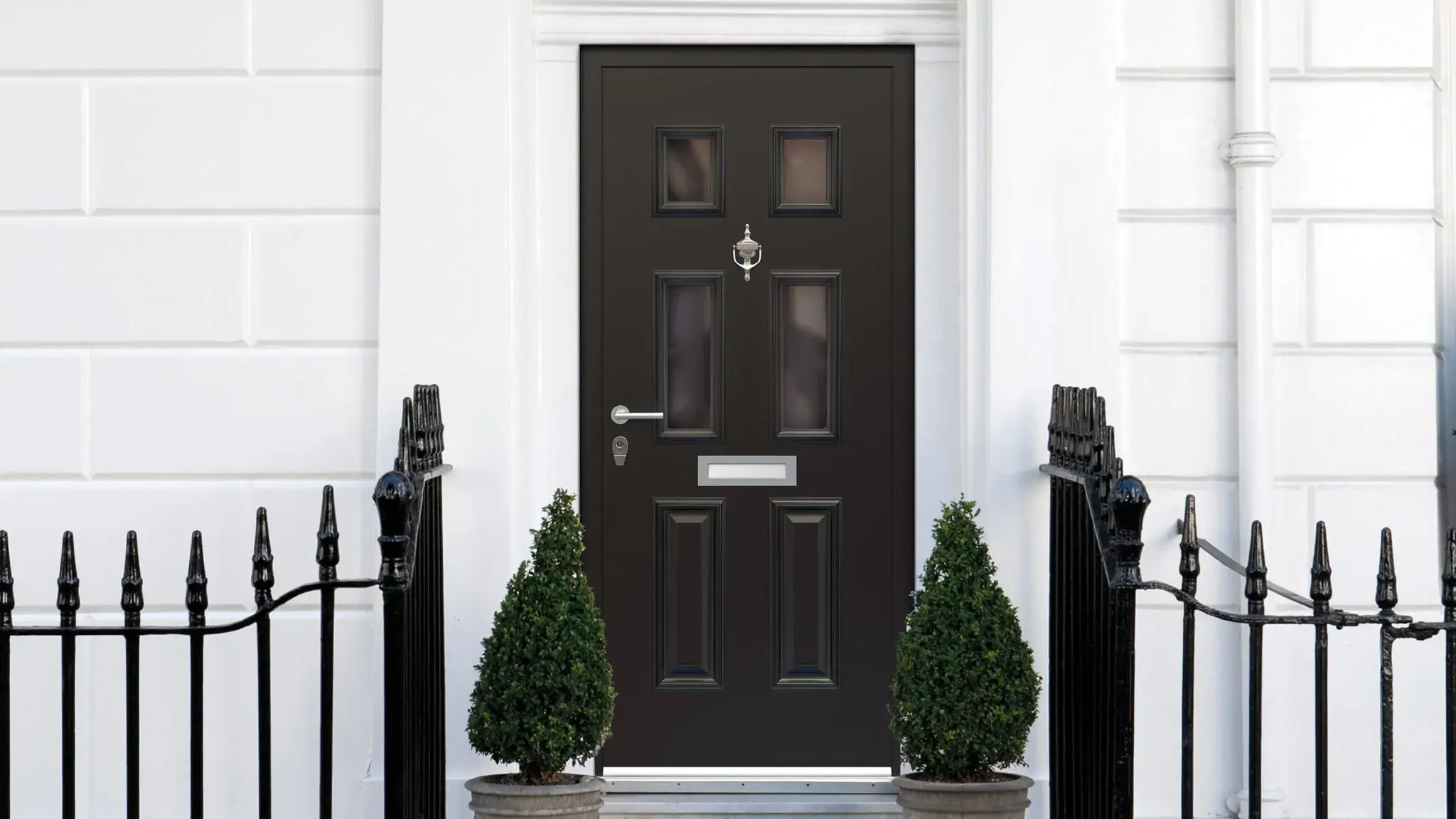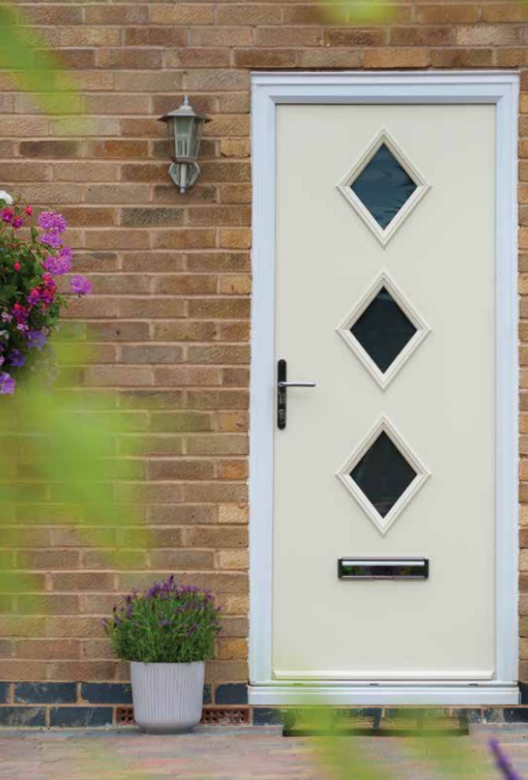


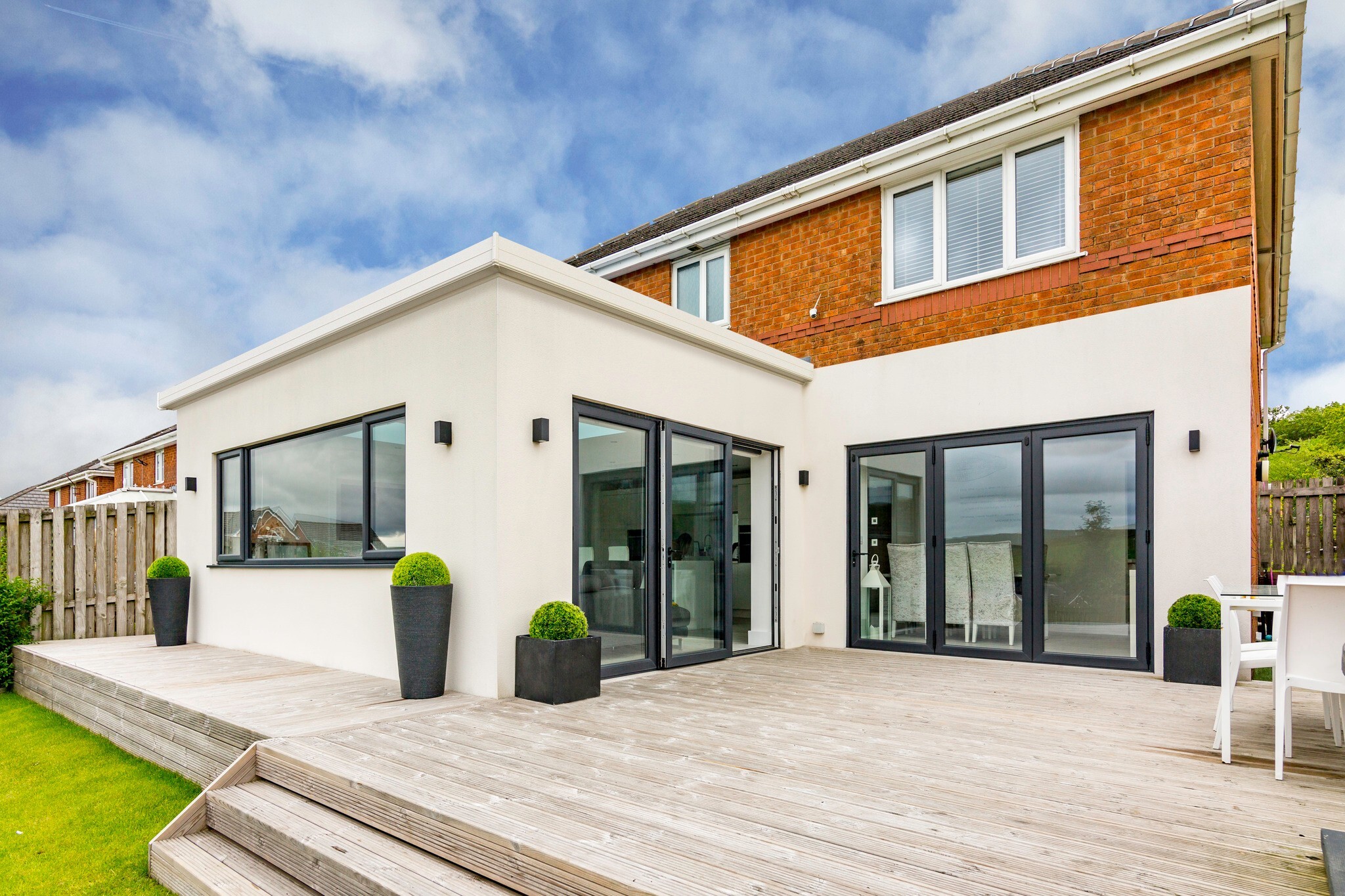
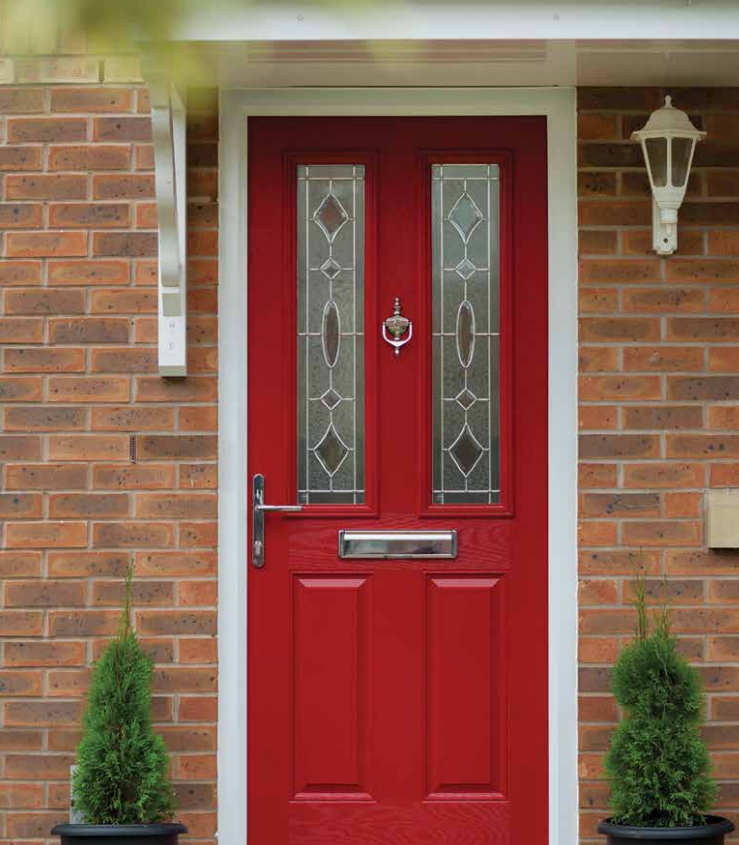
When selecting a new front door for your home, two popular options often come to mind: uPVC and composite doors. Both materials have established reputations in the home improvement world for their strength, security, and aesthetic flexibility. Here at JWS, we understand the importance of making an informed choice that aligns with both your home’s style and functional needs. Let’s delve into the world of uPVC and composite doors to help you decide which might be the best fit for your home.

uPVC Doors: Durable and Cost-Effective
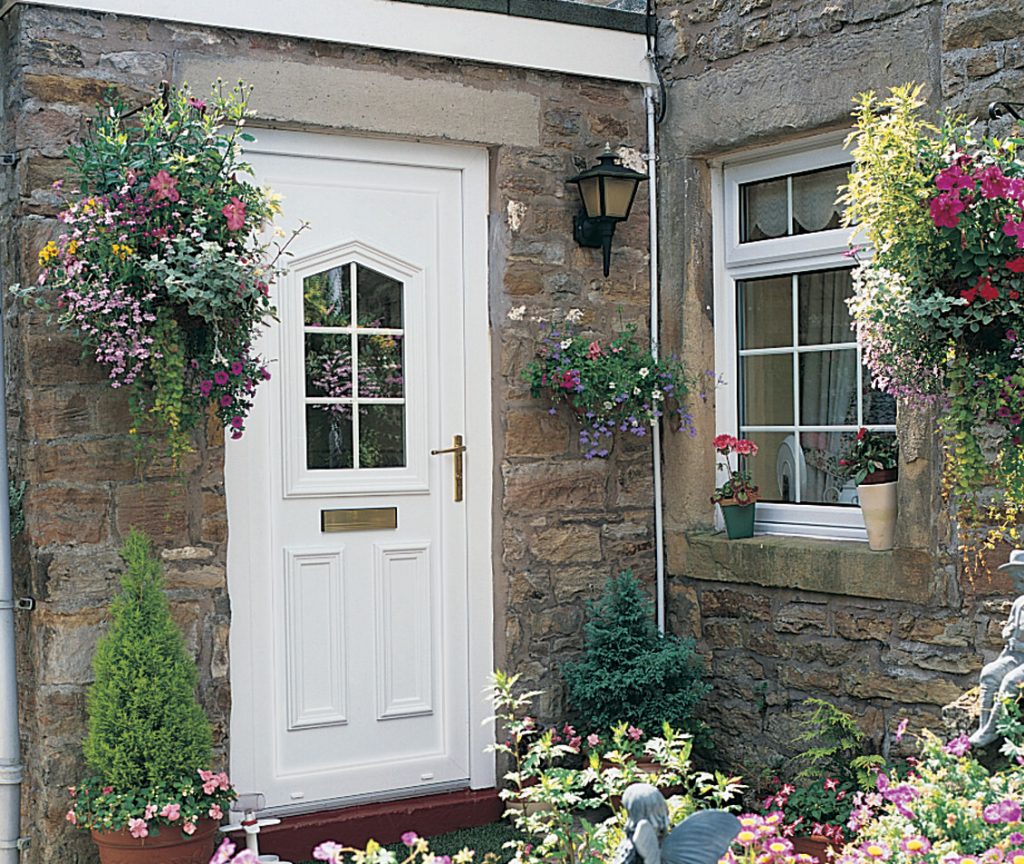
uPVC doors have been a mainstay in homes for many years due to their excellent durability and affordability. These doors are known for their ability to resist weather elements, not warping under extreme temperatures or succumbing to rust or rot. Easy maintenance is another key benefit; they typically require just a simple wipe down with a cloth to keep them looking new.
uPVC doors are also highly efficient in terms of energy conservation. They offer excellent thermal insulation, keeping your home warm in the winter and cool in the summer. From a security standpoint, uPVC doors fitted with high-quality locks and robust mechanisms offer substantial protection.
Design-wise, uPVC doors come in a variety of styles and finishes, including wood effect, allowing them to suit different house types. However, it’s worth noting that while they are versatile, they might not offer the same level of aesthetic appeal or bespoke options as composite doors.
Composite Doors: Robust and Aesthetic
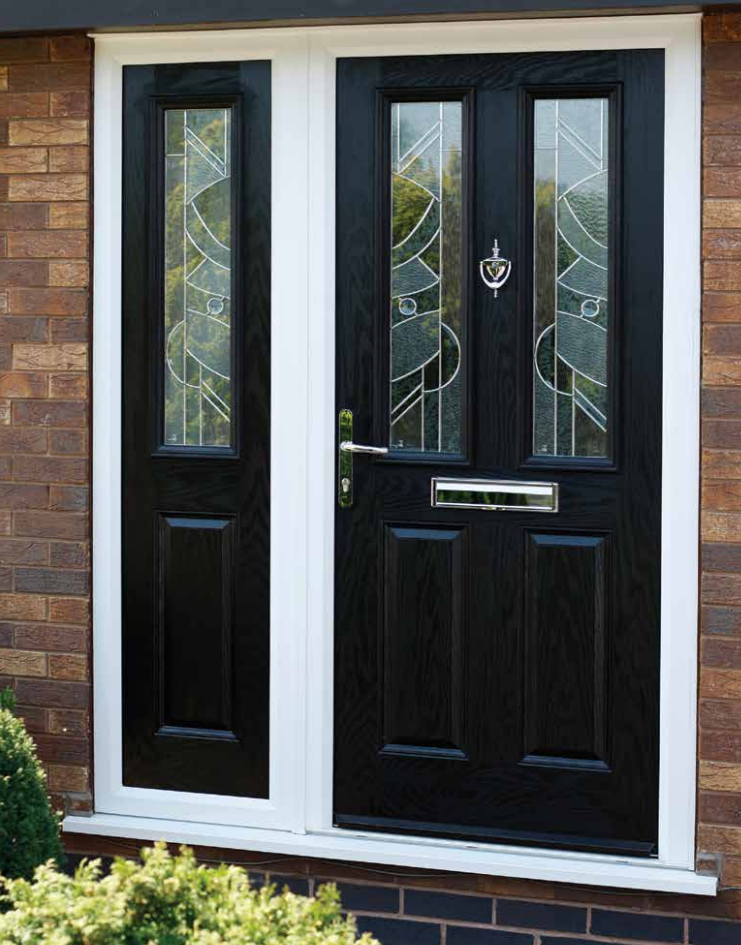
Composite doors are crafted from a combination of materials, including PVC, wood, insulating foam, and Glass Reinforced Plastic (GRP). This fusion is specifically engineered to eliminate common flaws present in single-material doors. Composite doors are celebrated for their high resistance to weathering and their superior thermal performance. They are incredibly robust, providing an extra layer of security due to their solid construction.
Aesthetically, composite doors offer a more premium look compared to uPVC doors. They are available in a range of solid colours and wood grain finishes that can be tailored to match the architecture and character of your home. Their appearance is often considered more suited to properties looking to achieve a classic look, thanks to the depth and definition provided by their design.
From a cost perspective, composite doors tend to be more expensive than uPVC doors. However, their durability and the minimal upkeep they require can make them a worthwhile investment in the long run.
Making the Right Decision for Your Home
The choice between a uPVC and a composite door ultimately depends on your specific needs and preferences:
1. Budget: If you are looking for a cost-effective solution, uPVC doors might be the right choice for you.
2. Security and Durability: If security and long-lasting resilience are paramount, composite doors may offer better advantages.
3. Aesthetics: For a door that complements your home’s exterior with a more natural and high-end look, consider composite doors.
4. Maintenance: Both door types offer easy maintenance, but uPVC doors are particularly known for their ‘fit and forget’ qualities.
Before making your decision, consider how the door’s style will blend with the architecture of your home. Be sure to weigh the importance of insulation, security features and longevity.
At JWS, we’re dedicated to helping you navigate these choices. Our range of uPVC and composite doors offers something for every homeowner. Feel free to get in touch for a detailed discussion of your needs, or get a quote directly from our team who are always ready to assist you in enhancing your home with the perfect door.

- Could Your Double Glazing Be Increasing Your Energy Bills? - September 24, 2026
- Choosing the Right Front Door: uPVC or Composite? - September 15, 2026
- Why Do People Choose Casement Windows? - June 10, 2026
Categories: Advice & Guides, Composite Doors, Doors