


As colder weather arrives, windows can become one of the first places where a room starts to feel less comfortable. Addressing draughts, glazing and window coverings may help your home retain more warmth and could reduce the need to keep the heating on for longer.
Here are ten practical ways to improve window insulation and keep your home more comfortable during the colder months:
1. Check for Draughts Around Frames
Run your hand carefully around the edges of your windows on a cold or windy day. A noticeable movement of air may point to gaps around the opening sections, frame or surrounding wall. Finding the source is the first step towards choosing the right solution.
2. Replace Worn Window Seals
Rubber seals can become flattened, brittle or loose over time. When this happens, opening windows may no longer close as closely as they should. Replacing damaged seals could help limit unwanted airflow while still allowing the window to operate properly.

3. Use Draught Excluder Strips
Self adhesive draught strips can be fitted around parts of the window frame where small gaps are present. It is important to choose a suitable thickness, as strips that are too large may prevent the window from closing securely.
4. Close Curtains at Dusk
Well fitted curtains can create an extra layer between the room and the glass. Closing them as daylight fades may help reduce the feeling of cold near windows. Keep curtains clear of radiators where possible, as covering a radiator can restrict heat entering the room.
5. Consider Thermal Blinds
Thermal blinds are designed with materials that may provide more insulation than a standard blind. They can be a useful choice for bedrooms, living rooms and other spaces where you want greater control over warmth and light.

6. Use Secondary Glazing Where Suitable
Secondary glazing involves adding another internal pane or panel behind the existing window. It may be an option for homes where retaining original windows is important, including some older properties. The result will depend on the existing window and the quality of installation.
7. Apply Window Insulation Film
Temporary window film can be fitted to the inside of some windows during winter. Once carefully sealed and tightened, it creates a still layer of air next to the glass. This can be a short term option where replacement is not currently planned.
8. Keep Window Tracks Clean
Dirt, leaves and debris can collect in sliding tracks and drainage channels. This may affect how the window closes and can make it harder to spot worn components. Regular cleaning helps you check that windows shut fully and that drainage routes remain clear.

9. Repair Faulty Handles and Hinges
A loose handle or worn hinge can stop a window from pulling tightly against its seals. If you need to lift, force or repeatedly adjust a window to close it, it may be worth arranging an inspection. Small repairs may help restore a closer fit.
10. Consider Replacement Windows
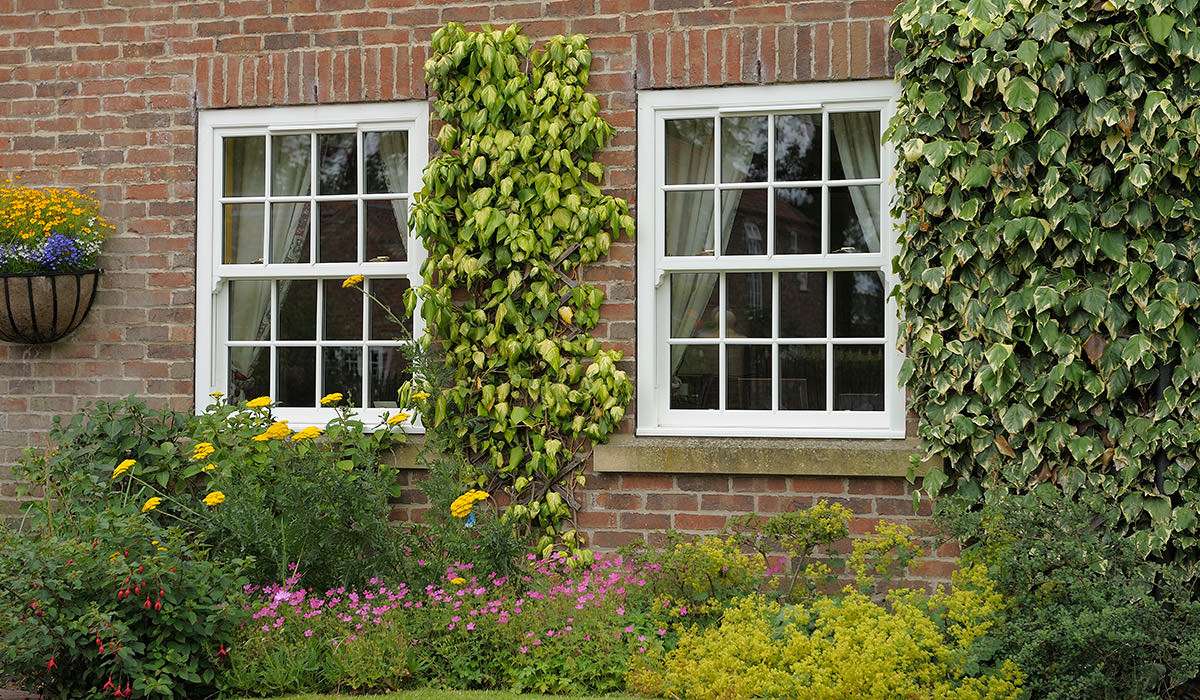
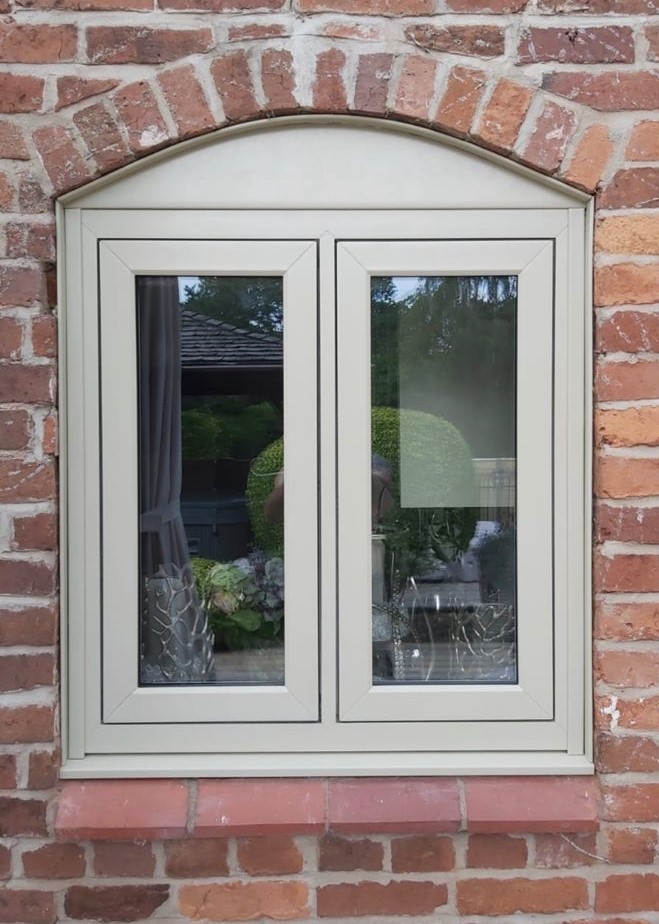
Older windows with failed glazing, damaged frames or ongoing draught issues may benefit from replacement. Modern double glazed window systems can provide improved insulation when compared with older single glazed units, while appropriate frame and glazing choices can support a more energy conscious home.
At JWS, we can help you explore window options that suit your property, style and practical requirements. If your windows are showing signs of age or you are planning wider home improvements, get in touch with our team to learn more or get a quote.

- Top 10 Ways to Insulate Your Windows for Cold Weather - October 22, 2026
- What Is the Difference Between French, Sliding and Bifold Doors? - October 21, 2026
- Could Your Double Glazing Be Increasing Your Energy Bills? - September 24, 2026
Categories: Advice & Guides, Energy Efficiency, Windows