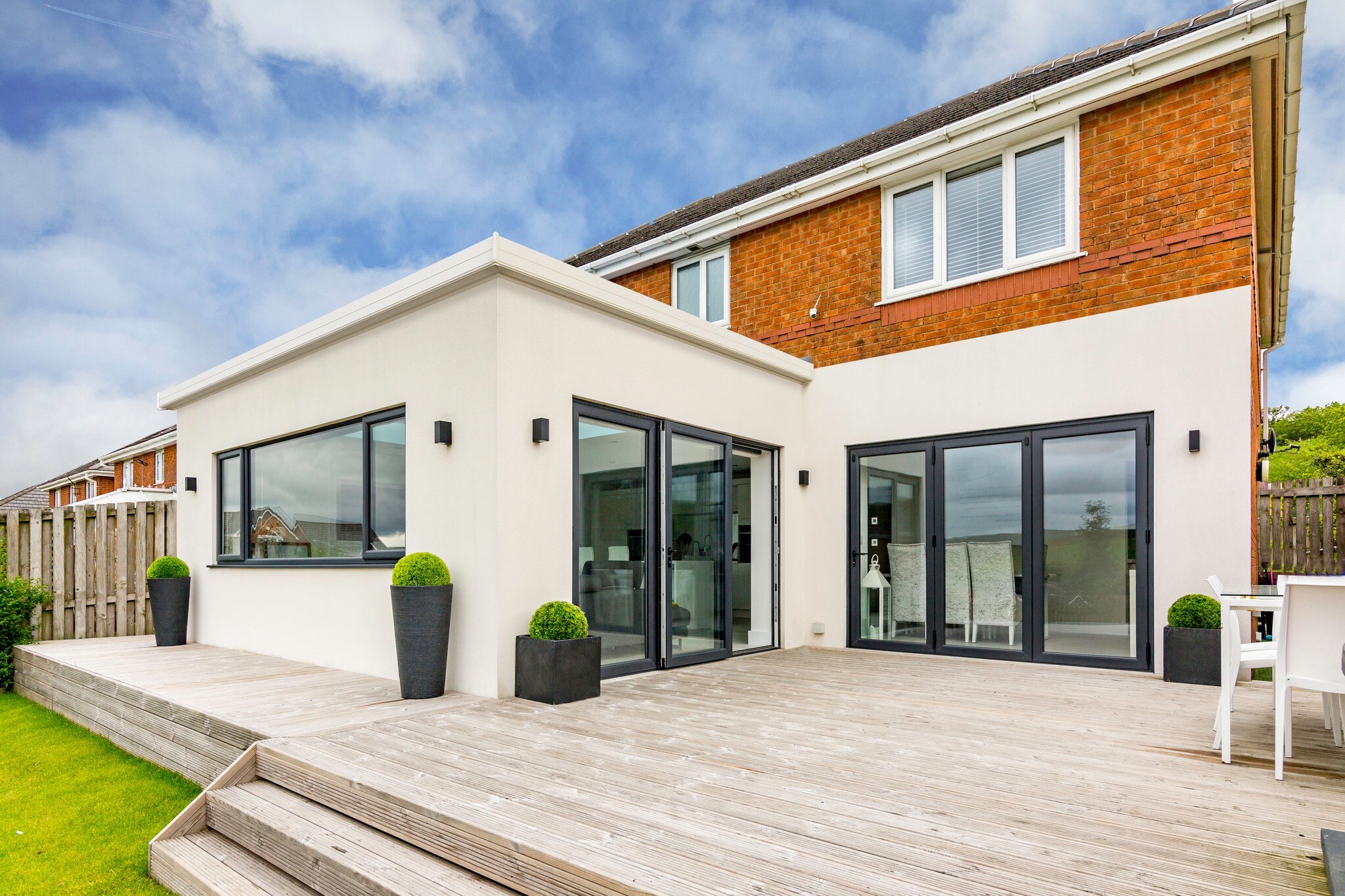

A conservatory should feel like a comfortable extension of your home, rather than becoming too cold in winter or uncomfortably warm in summer. Older glazing, ageing frames and poorly insulated roof materials can contribute to heat loss, making it harder to maintain a consistent indoor temperature and potentially increasing your heating costs.
With household energy costs an ongoing consideration, improving your conservatory’s insulation can be a practical way to reduce unnecessary heat loss and create a more comfortable space to enjoy throughout the year.
Here is our advice for making your conservatory more energy efficient.
Check for draughts and damaged seals
Cold air entering around windows and doors can quickly make a conservatory feel uncomfortable. Check the seals around each frame and look for visible gaps, cracks or signs of wear. Doors that have dropped out of alignment may also leave small spaces around the frame.
Replacing damaged seals or adjusting doors may help to limit draughts. However, ongoing problems can indicate that the frames or glazing are approaching the end of their useful life. A professional assessment can help you understand which areas need attention.
Consider modern double glazing
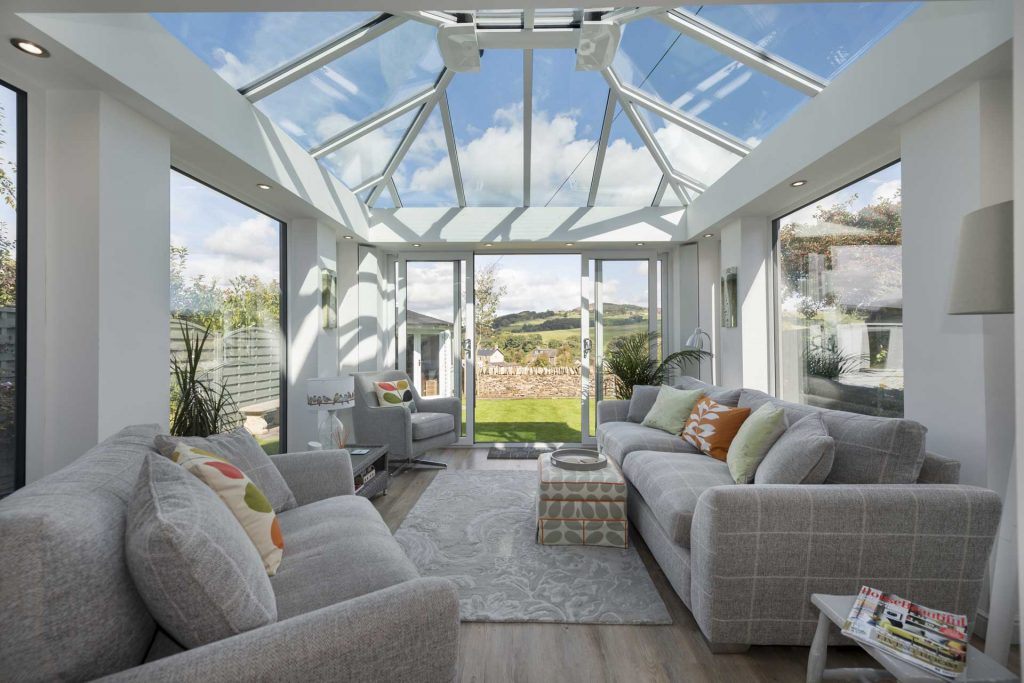
Large areas of glass are one of the main reasons conservatories can lose heat. If your current units are old, misted or damaged, replacing them with modern double glazing may improve thermal performance.
Double glazing uses two panes of glass with a sealed space between them. This construction can reduce the rate at which heat passes through the window compared with single glazing. Well fitted units can also help to address draughts and make indoor temperatures easier to manage.
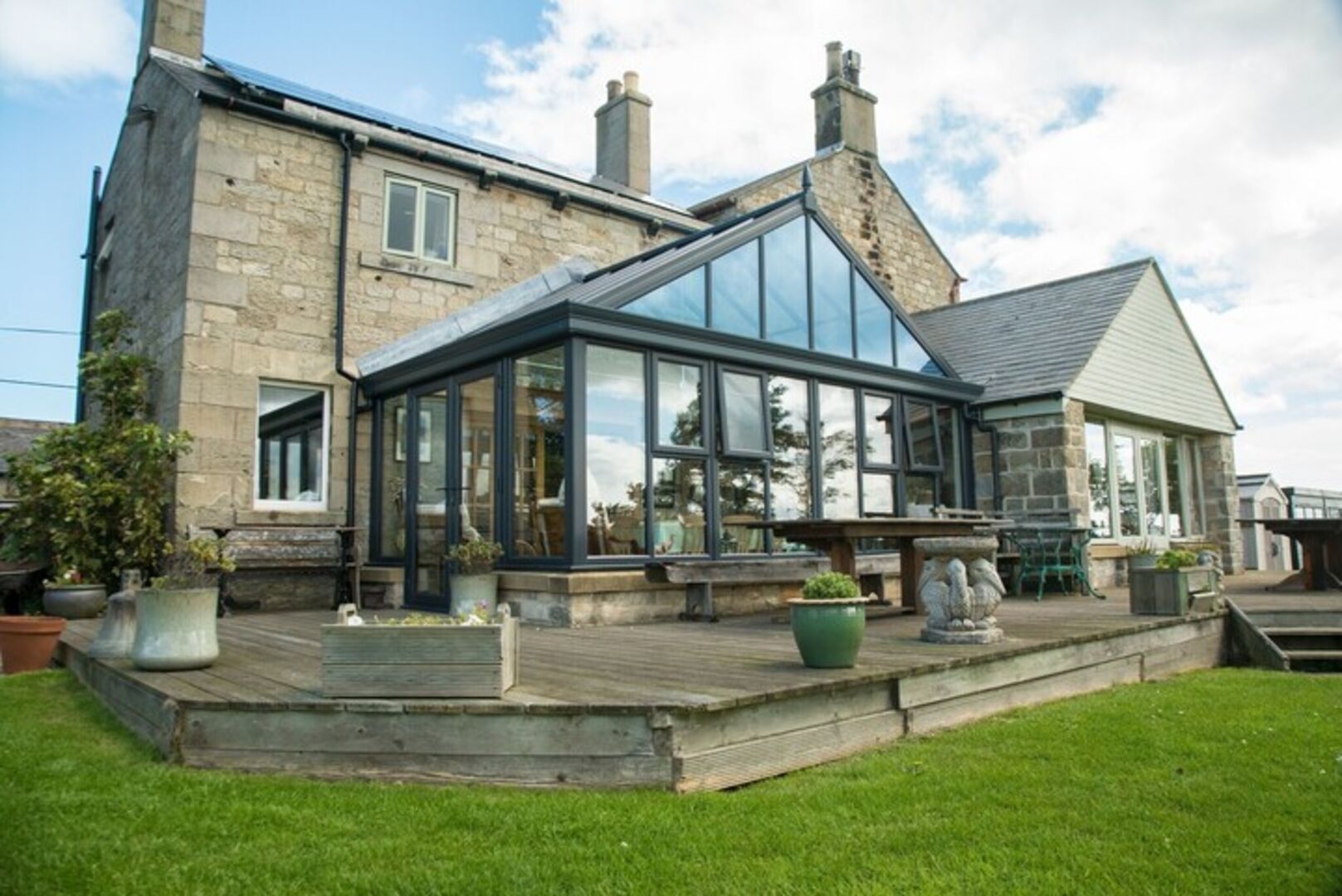
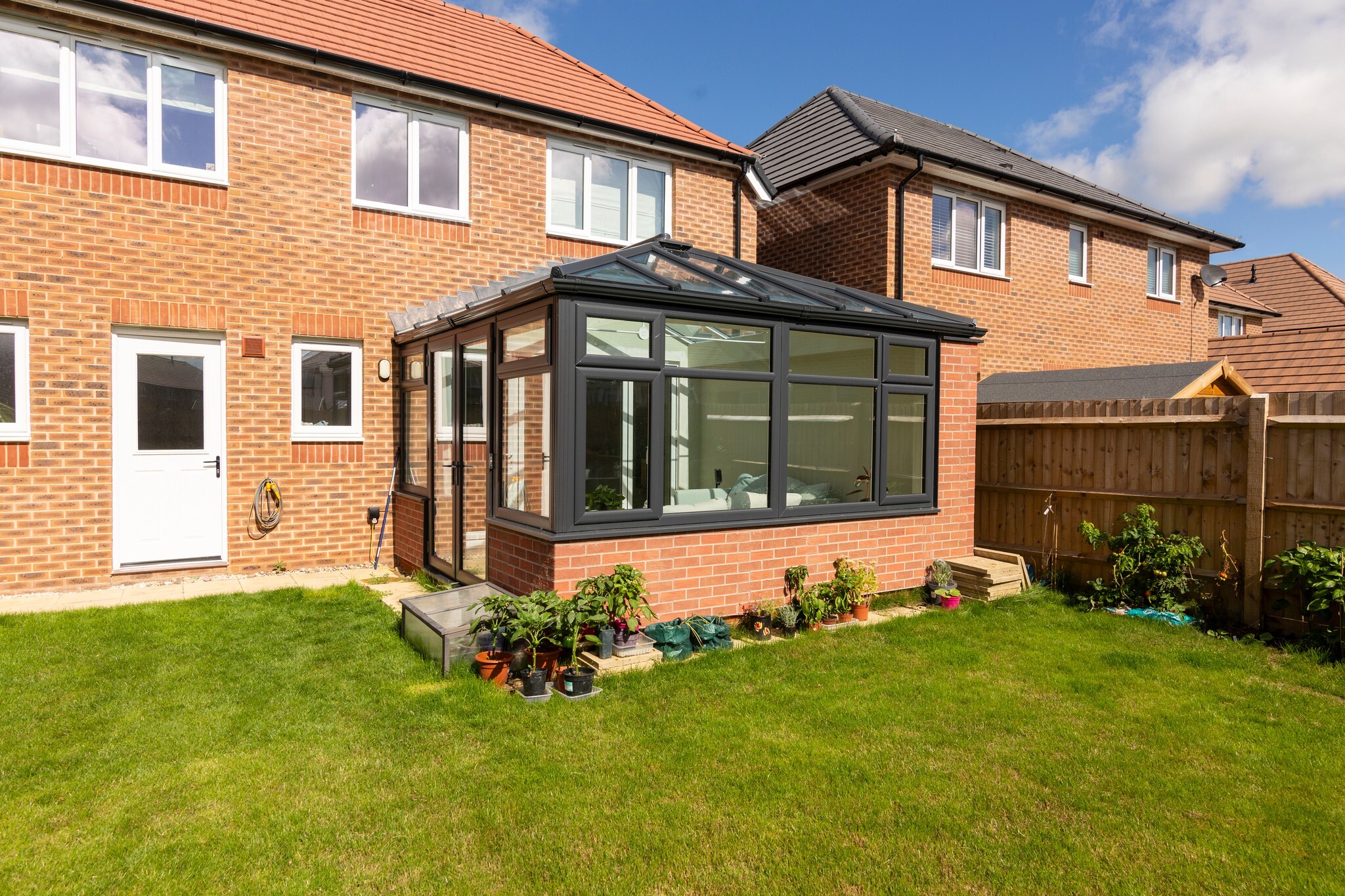
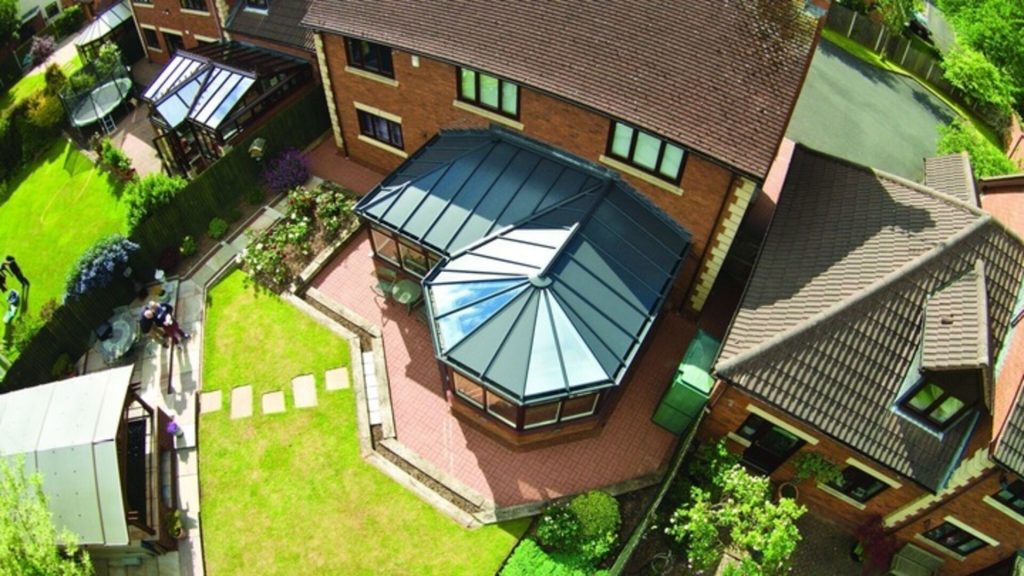
At JWS, our conservatories are designed to provide extra living space while complementing the character of your property. Our range includes popular Victorian, Edwardian, gable and lean to conservatory styles, alongside P shaped and T shaped designs. Different layouts and glazing choices allow the conservatory to suit how you intend to use the room.
Review the conservatory roof
The roof has a major influence on how a conservatory performs throughout the seasons. Older polycarbonate panels may provide limited insulation, while worn seals and damaged sections can contribute to heat loss.
Depending on the existing structure, a replacement roof may be worth considering. Modern glass and solid roof options can provide improved insulation compared with some older materials. A solid roof can also reduce the amount of direct sunlight entering the room during warmer periods, although suitable ventilation and lighting should still form part of the design.
Every property is different, so the roof, frames, foundations and ventilation should be assessed before any work is planned.
Use blinds and curtains carefully
Thermal blinds or lined curtains can provide an additional layer between the room and its glazing. Closing them during colder evenings may help to retain warmth, while using them during strong sunlight can reduce overheating.
Make sure coverings do not restrict ventilation or cause condensation to collect around the frames. Regular airflow remains important, particularly when the conservatory connects directly to kitchens or other rooms where moisture is produced.
Manage heating and ventilation
Avoid heating an unused conservatory for long periods. If the room has suitable heating, use controls that allow you to set an appropriate temperature and schedule. Keep internal doors closed when the conservatory is not being used so that heat from the main house does not escape into a colder space.
During warmer weather, use opening windows, roof vents and doors to encourage airflow. Good ventilation can make the room more comfortable without relying solely on powered cooling.
Speak to JWS about your conservatory
If small repairs are no longer resolving temperature problems, a new energy efficient conservatory could provide a more practical long term option. The right combination of glazing, frames, roof design and ventilation may help to reduce heat loss and create a room that is easier to enjoy across the seasons.
To discuss conservatories in St Helens and the surrounding area, get in touch with JWS. Our team can talk through the available styles and help you consider suitable options for your home. Get a quote or learn more about our conservatory range today.

- How to Make Your Conservatory More Energy Efficient - November 11, 2026
- Buying a Conservatory: What to Consider Before You Choose - November 11, 2026
- How to Keep Your Home Extension Warm and Comfortable During Winter in St. Helens - October 22, 2026
Categories: Advice & Guides, Conservatories, Energy Efficiency