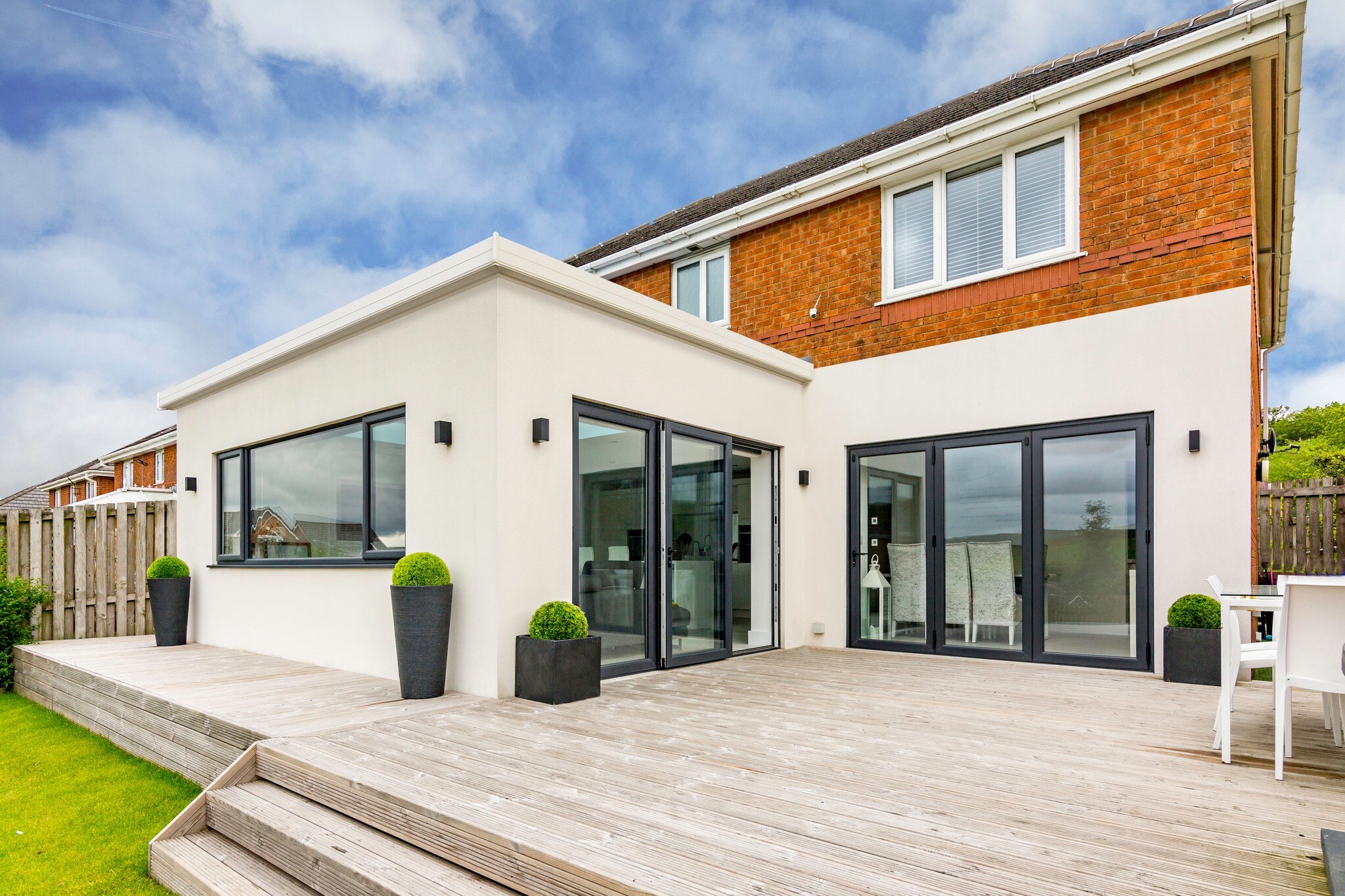

A home extension should feel like a natural part of your property, even when temperatures drop. Whether you use yours as a kitchen, dining room, home office or family living area, effective insulation, suitable glazing and well-planned heating can help you make the most of the extra space throughout winter.
For homeowners in St Helens, preparing an extension for colder weather starts with choosing materials and designs that support thermal efficiency. At JWS, we supply and install home improvement products designed to improve comfort and functionality. Here are some practical ways to keep your extension warm and inviting during the colder months.
Choose a Thermally Efficient Extension
Winter comfort begins with the structure itself. Poorly insulated walls, roofs, floors, windows and doors can allow heat to escape, making an extension more difficult to keep warm and potentially increasing heating costs.
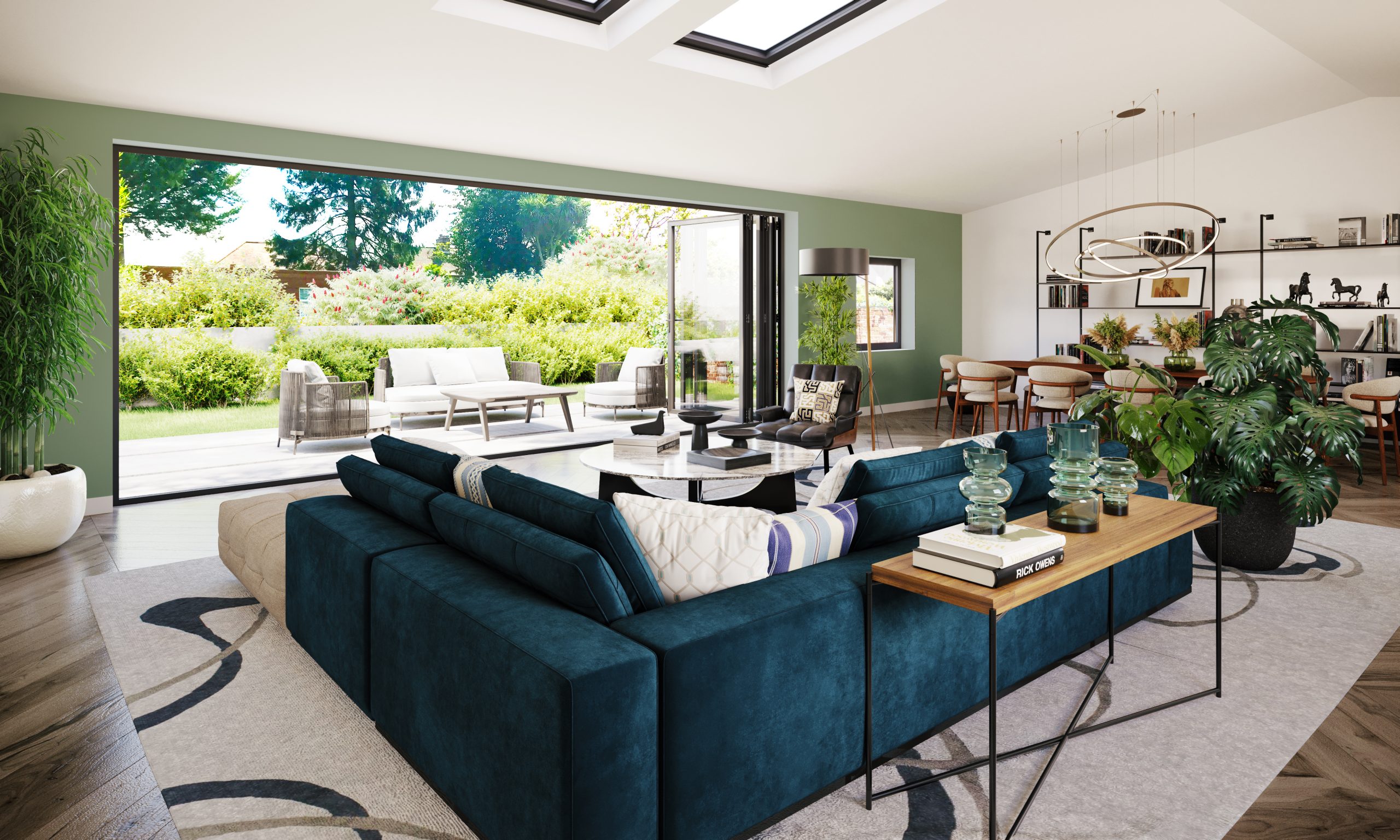
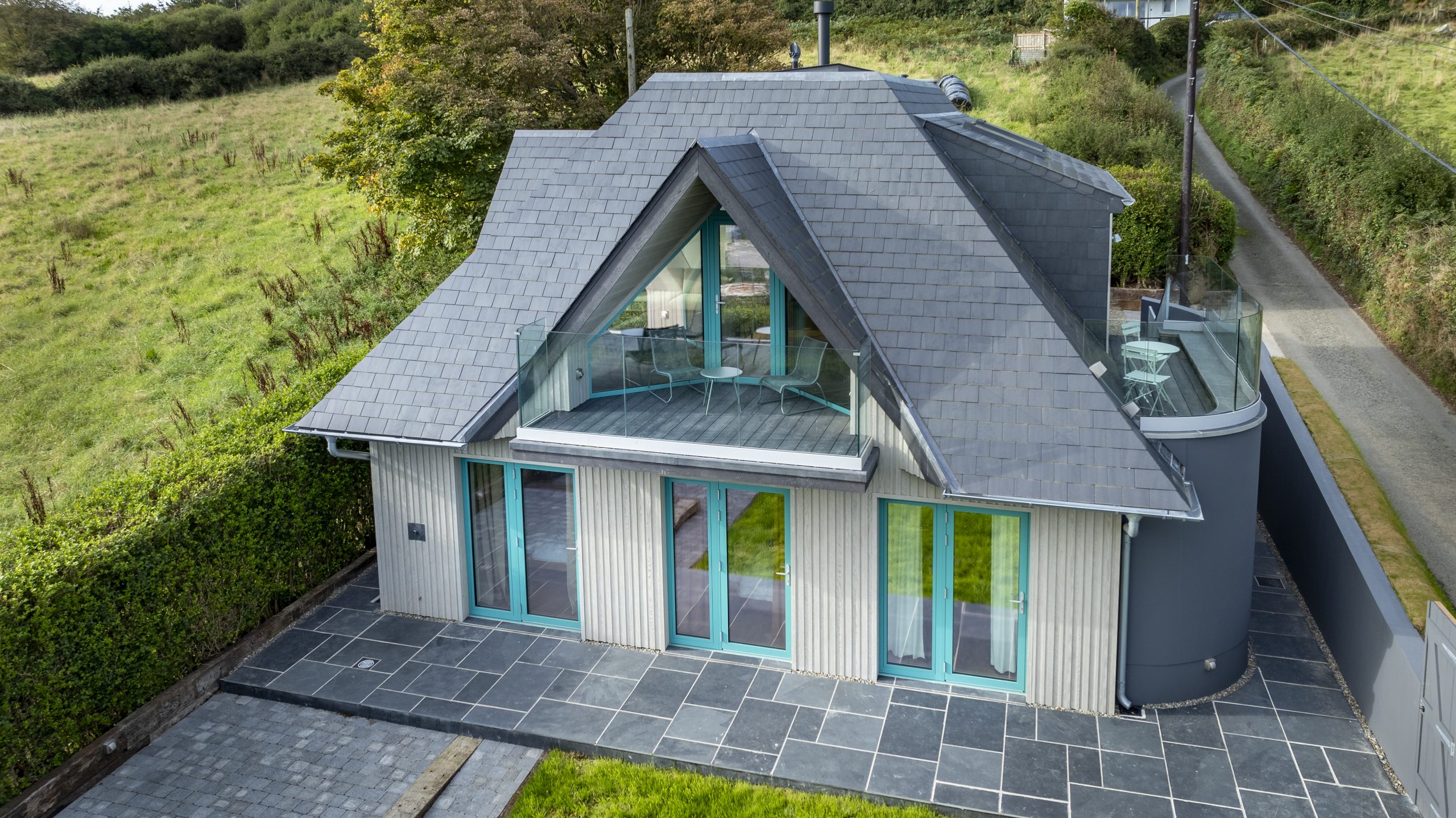
Our modern hup! extensions combine insulated wall panels with advanced roofing technology to support thermal performance. The hup! system is designed to offer up to 60% greater energy efficiency than the requirements set by current Building Regulations, helping homeowners create a more comfortable space.
The system can also be installed up to five times faster than traditional building methods, potentially reducing disruption to your household during construction. If you’re planning an extension in St Helens, considering insulation from the outset can help you create a space suited to year-round use.

Pay Attention to the Roof
The roof plays an important role in the thermal performance of an extension. An appropriately insulated roof helps reduce heat loss and can minimise cold spots, making the room more comfortable when outdoor temperatures fall.
Ultraframe roofing systems can be incorporated into modern extensions, with options to suit different property styles and practical requirements. Solid insulated sections can help retain warmth, while carefully positioned glazed areas allow natural light into the room.
The right roof will depend on the size, orientation and intended use of your extension. Whether you’re creating a kitchen overlooking the garden or a separate family living area, it is worth considering how the roof design balances insulation, natural light and appearance.
Select Energy-Efficient Windows and Doors
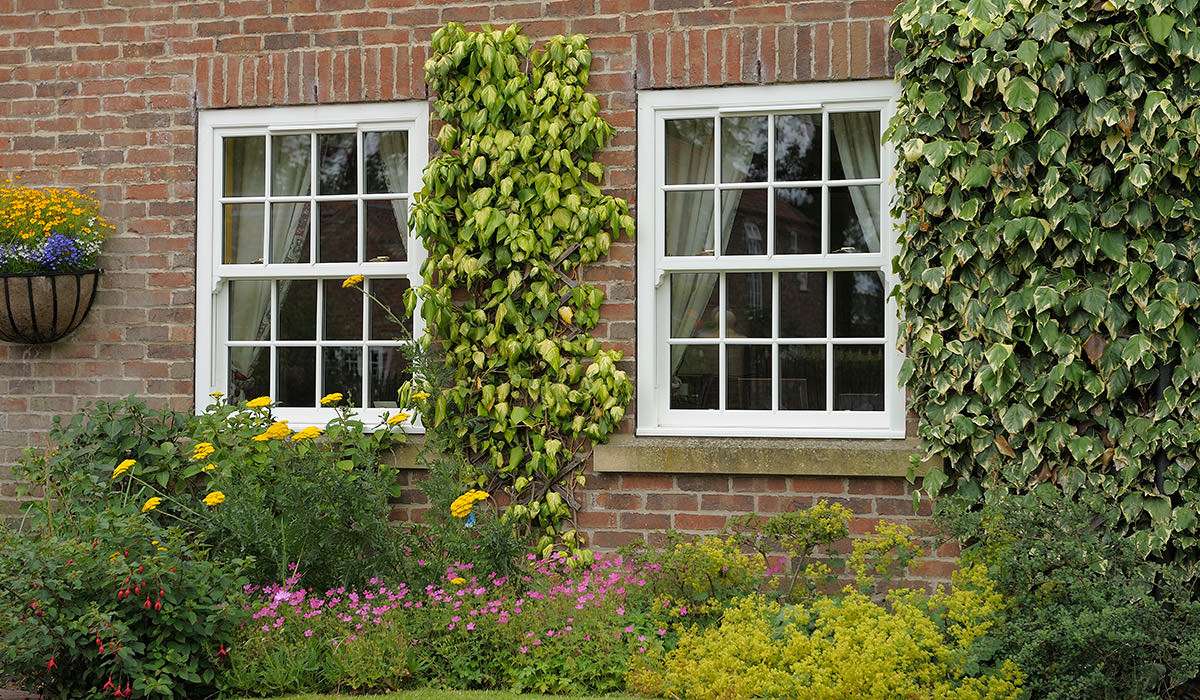
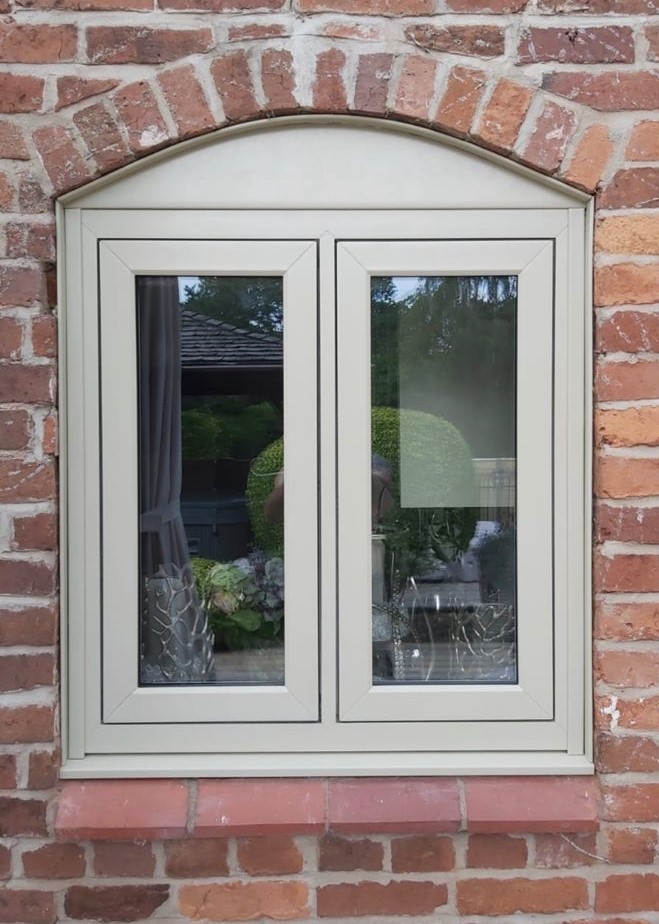
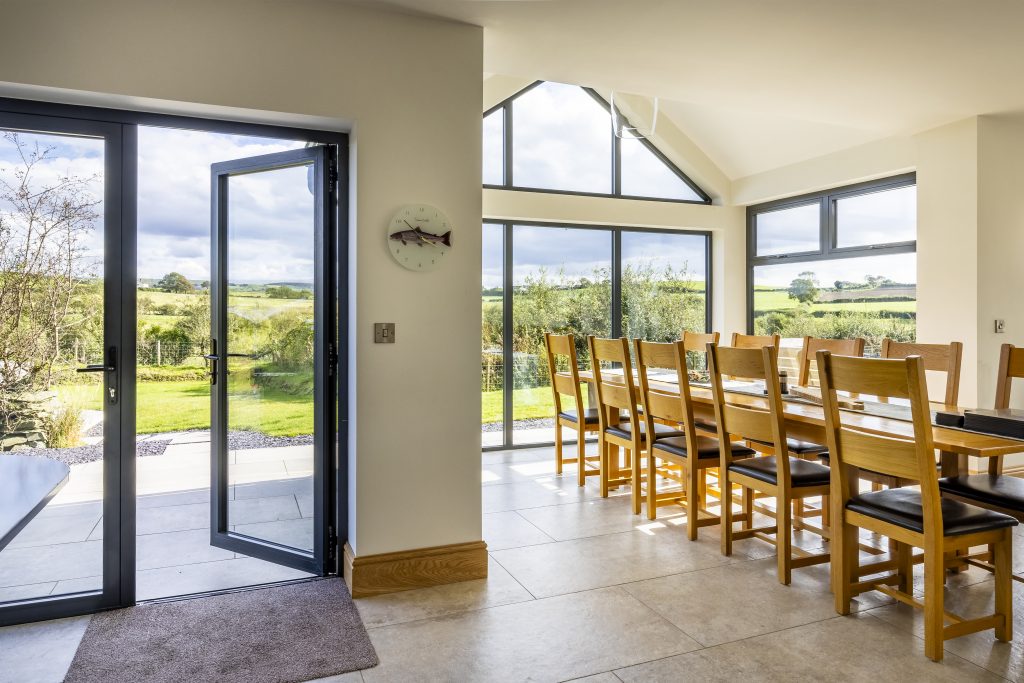
Windows and doors are another important consideration when preparing your extension for winter. High-quality double glazing and well-fitted frames can help reduce heat transfer, minimise draughts and maintain a more consistent indoor temperature.
If your existing windows or doors are difficult to close, have damaged seals or allow cold air into the room, it may be worth arranging an inspection. Condensation between the panes of glass can also indicate a failed sealed unit that needs attention.
Window coverings can provide additional insulation after dark. Open curtains and blinds during daylight hours to make the most of available sunlight, then close them in the evening to help reduce heat loss through the glazing.
At JWS, we can help you explore window and door options that complement your extension while meeting your requirements for thermal efficiency, appearance and everyday functionality.
Plan Your Heating Carefully
Your extension needs a heating solution suited to its size, layout and intended use. Radiators, underfloor heating and other suitable heating systems can all be considered, depending on the design and how you plan to use the space.
Separate heating controls or a smart thermostat can help you manage temperatures more effectively, particularly if your extension is used at different times from the rest of your home. Avoid placing large furniture directly in front of radiators, as this can restrict airflow and prevent heat from circulating efficiently.
Good insulation is important here, too. By reducing heat loss through the building fabric, an appropriately designed extension can be easier to keep comfortable without relying as heavily on heating.
Reduce Draughts Without Blocking Ventilation
Small gaps around windows, doors and other openings can make an extension feel colder than necessary. Check seals regularly and ensure that windows and doors close securely, particularly before winter weather sets in across St Helens.
However, reducing draughts does not mean eliminating ventilation. Adequate airflow helps manage indoor moisture and reduces the risk of condensation and mould developing in kitchens, dining areas and other frequently used spaces.
Use any fitted ventilation systems as intended, and ventilate the room when cooking or carrying out activities that generate moisture. Briefly opening a window when necessary can help remove humid air without leaving the room exposed to cold outdoor temperatures for extended periods.
Plan Your Home Extension with JWS
Keeping an extension warm during winter starts with thoughtful design and suitable materials. From insulated hup! wall panels and high performance roofing technology to energy-efficient windows and doors, there are several ways to improve comfort and make your additional living space more practical throughout the year.
If you’re planning a home extension in St Helens, contact JWS to discuss your ideas and requirements. Our team can help you explore the available options and provide a quote tailored to your project.

- How to Keep Your Home Extension Warm and Comfortable During Winter in St. Helens - October 22, 2026
- What Is a Window U-Value and How Does It Affect Your Home in Liverpool - October 22, 2026
- What to Look for When Buying a Modern Home Extension - September 24, 2026
Categories: Energy Efficiency, Extensions