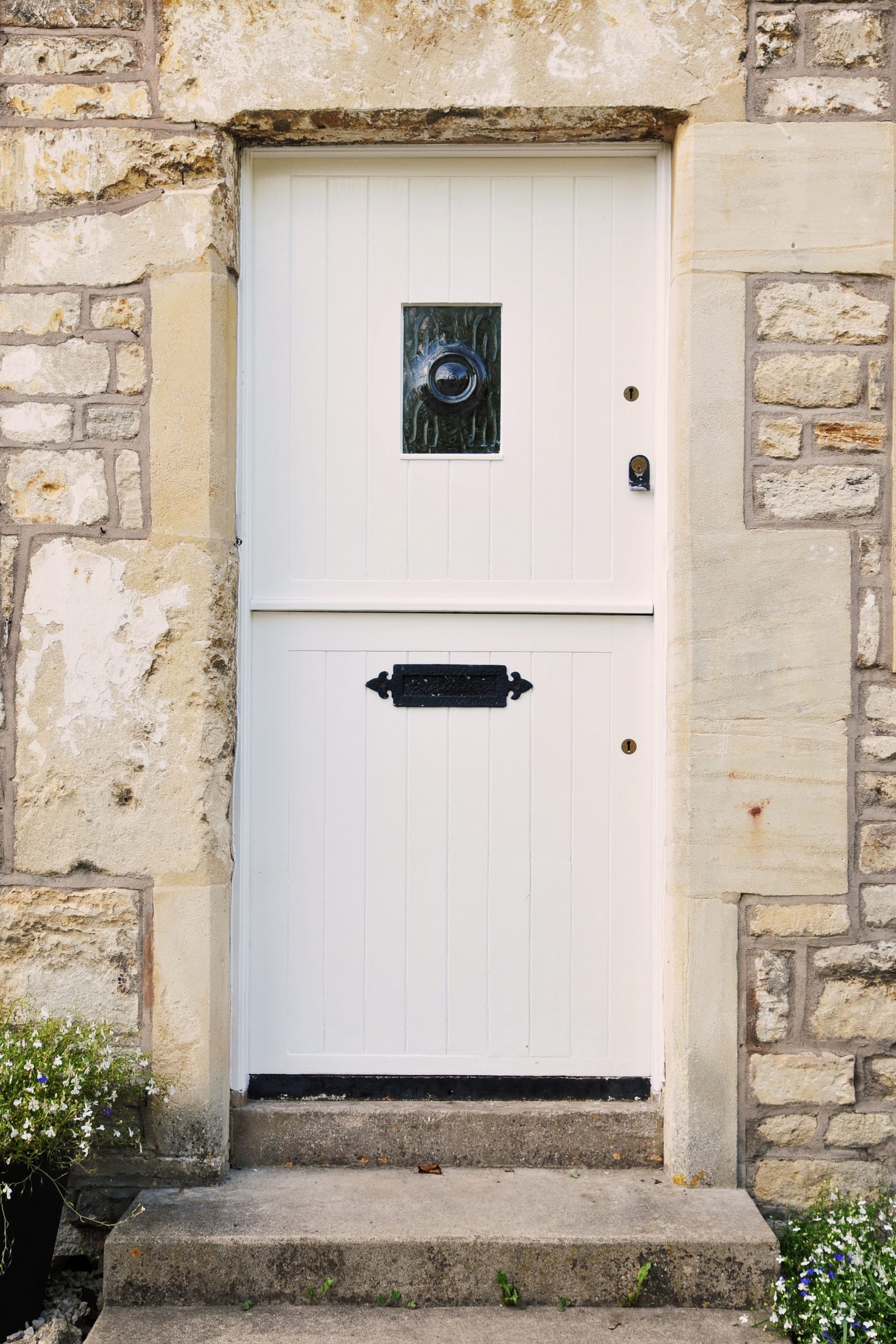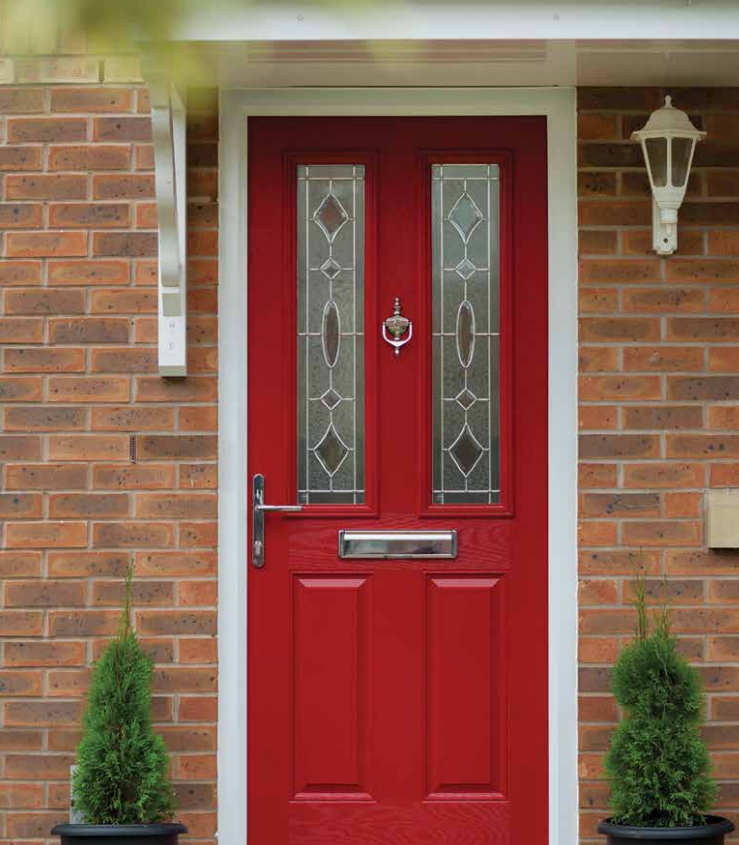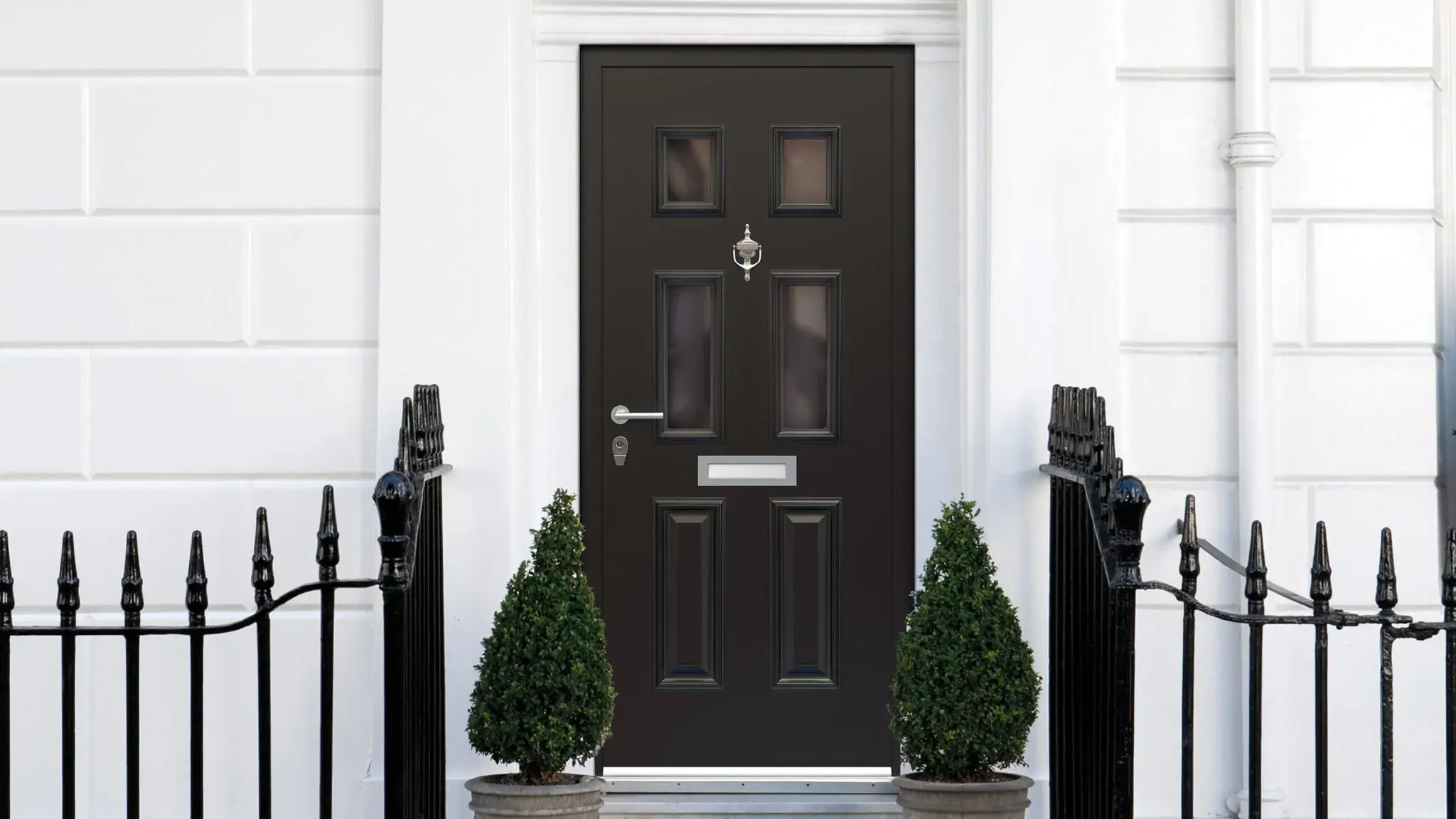



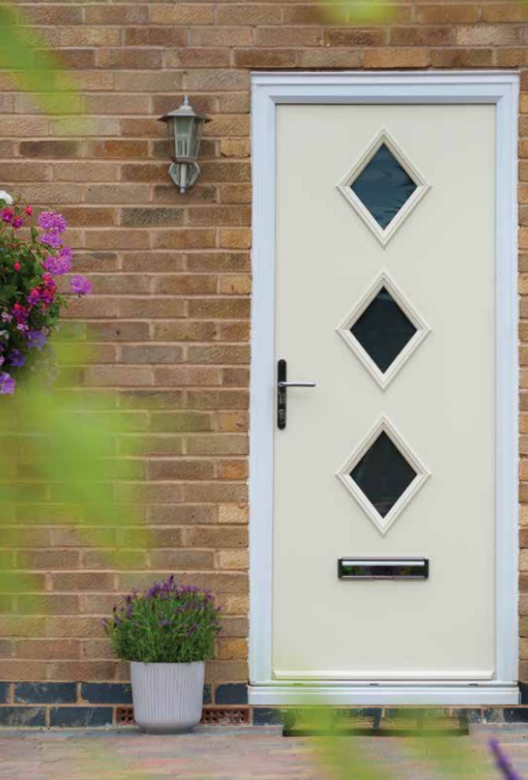
Choosing a new front door is an important investment for any homeowner. Your front door is more than just an entrance; it plays a vital role in your home’s security, energy efficiency, kerb appeal, and overall value. One of the most common questions homeowners ask is: what is better, uPVC or composite doors?
The answer depends on your budget, priorities, and long-term expectations. While both options offer excellent benefits, composite doors are generally regarded as the premium choice for homeowners seeking superior performance and style.
What Are uPVC Doors?
uPVC doors are manufactured from unplasticised polyvinyl chloride, a durable and low-maintenance material widely used across the UK. PVC doors are popular because they are affordable, weather-resistant, and available in a range of colours and styles.
Modern uPVC doors provide good levels of security and insulation, making them a practical choice for many homes. They are particularly attractive to homeowners looking for a cost-effective door replacement.
What Are Composite Doors?
Composite doors are constructed using multiple materials, including uPVC, timber, insulating foam, and Glass Reinforced Plastic (GRP). These materials are combined to create a door that delivers the strengths of each component while minimising potential weaknesses.
The result is a door that is exceptionally strong, secure, thermally efficient, and resistant to everyday wear and tear. Composite doors have become one of the most popular choices for UK homeowners thanks to their long-lasting performance and premium appearance.
Security Comparison
When it comes to home security, both PVC and composite doors can be fitted with modern multi-point locking systems. However, composite doors typically offer a higher level of protection due to their solid core construction and reinforced design. Their dense structure makes them more resistant to forced entry and impact damage.
For homeowners who prioritise security, a composite door is often considered the stronger option.
Energy Efficiency
A well-insulated front door can help reduce heat loss and improve comfort throughout the year. While uPVC doors offer good thermal performance, composite doors generally provide superior insulation thanks to their insulated core and advanced construction. This helps keep homes warmer during winter and cooler during summer.
Improved thermal efficiency can also contribute to lower energy bills over time.
Durability and Maintenance
One of the biggest advantages of both uPVC and composite doors is their low-maintenance nature. Unlike traditional timber doors, neither option requires regular sanding, painting, or varnishing.
However, composite doors tend to outperform uPVC doors in terms of durability. They are designed to resist warping, cracking, fading, and weather-related damage, even when exposed to the challenging British climate. A simple wipe with a damp cloth is usually all that is needed to keep them looking their best.
Appearance and Style
If aesthetics are a priority, composite doors often come out on top. They can closely replicate the appearance of traditional timber while offering a wider range of colours, finishes, glazing options, and decorative features. This makes it easier to create a bespoke entrance that complements your home’s style.
uPVC doors are available in many attractive designs but may not achieve the same premium look and feel as a high-quality composite door.
Which Door Is Best for Your Home?
If you’re looking for an affordable, reliable, and low-maintenance solution, a uPVC door could be the ideal choice. However, if you want maximum security, superior insulation, enhanced durability, and a premium appearance, a composite door is usually the better long-term investment.
At JWS Home Improvements, we offer a wide range of expertly fitted composite and uPVC doors to suit every property and budget. Get in touch now with a member of our team or get a free quote. Our team can help you find the perfect door to enhance your home’s security, efficiency, and kerb appeal for years to come.

- What to Look for When Buying a Modern Home Extension - September 24, 2026
- How Much Should a New Front Door Cost in the UK? - September 15, 2026
- The Best Window Style for Period Properties - June 23, 2026
Categories: Composite Doors, Doors