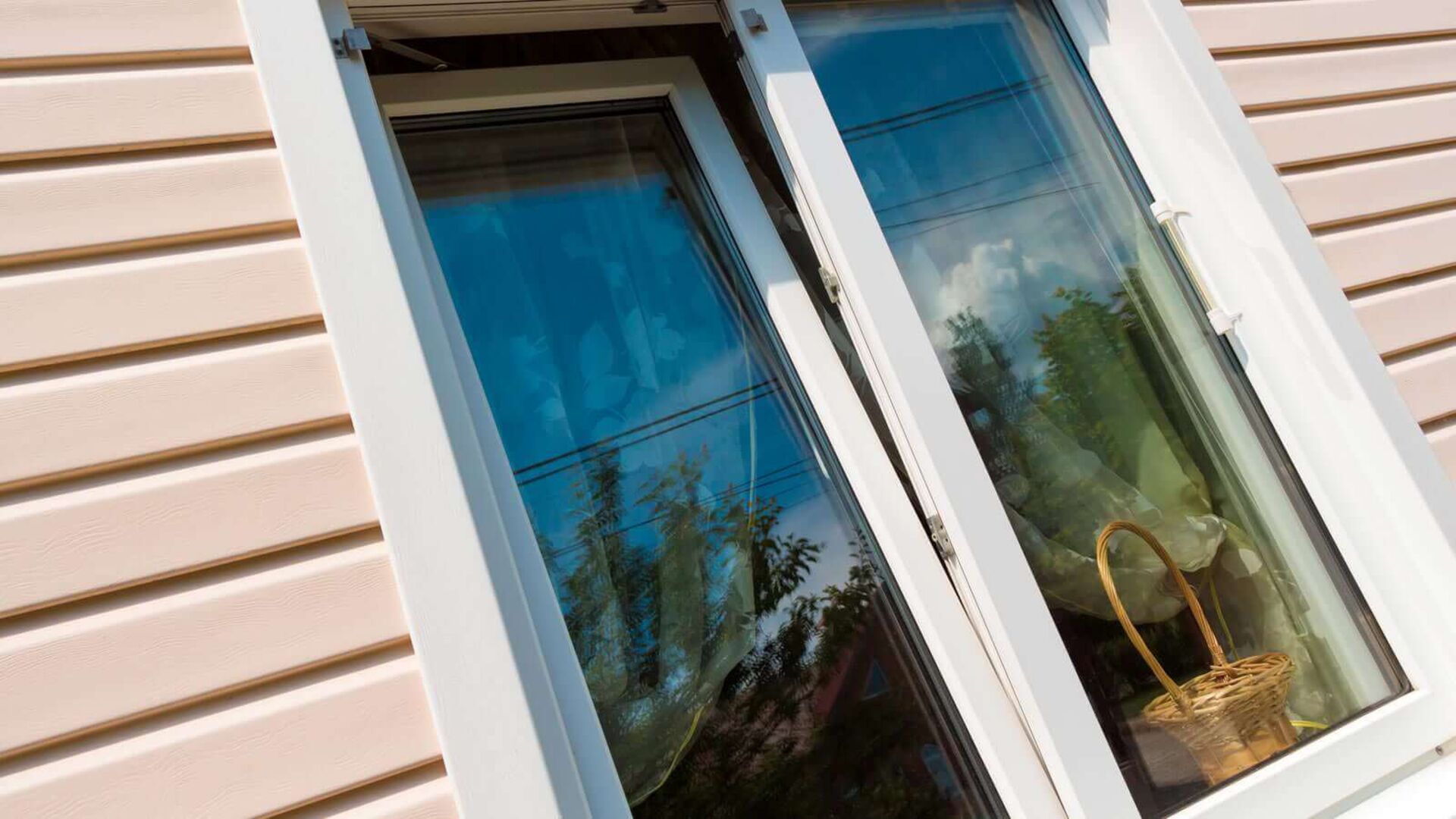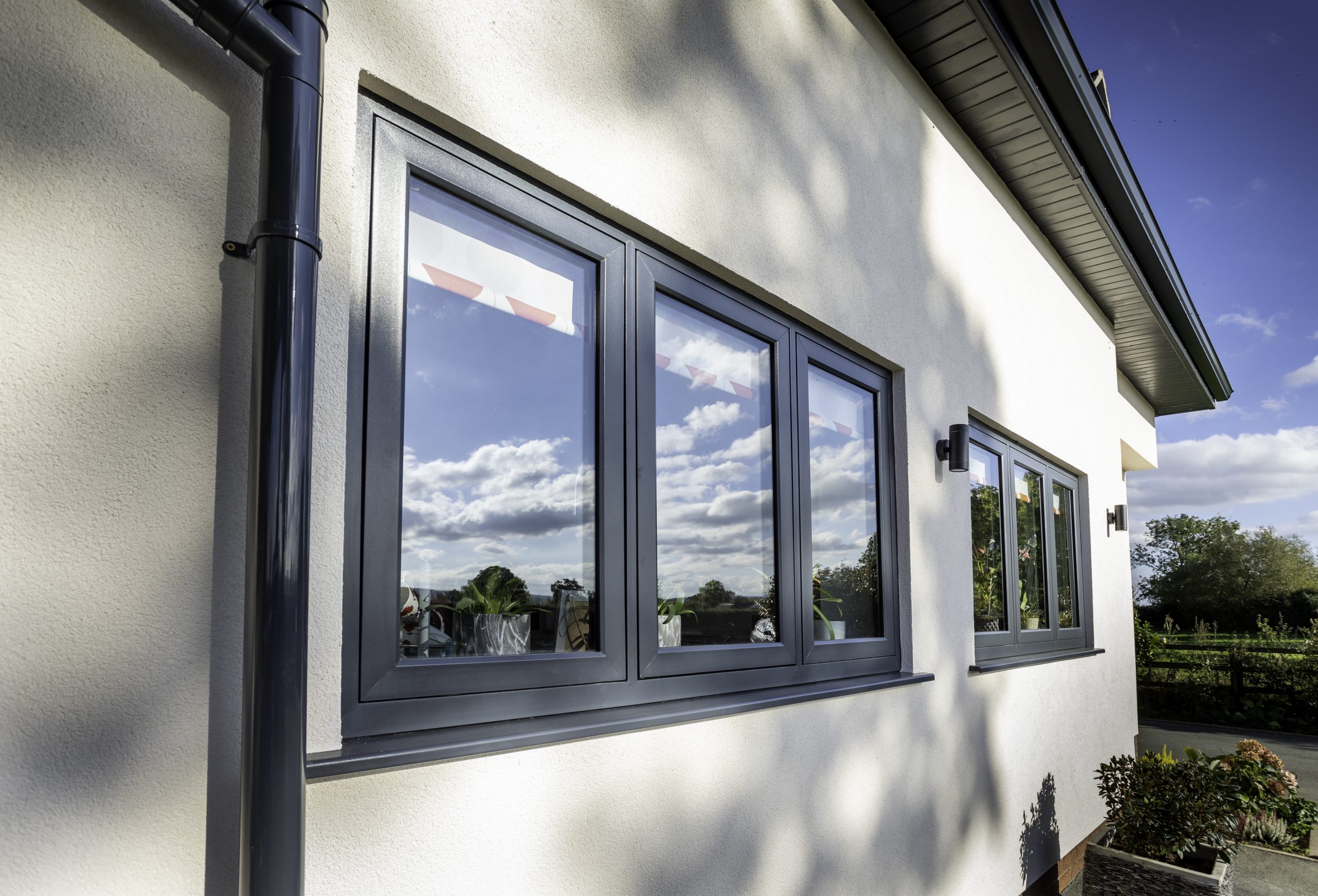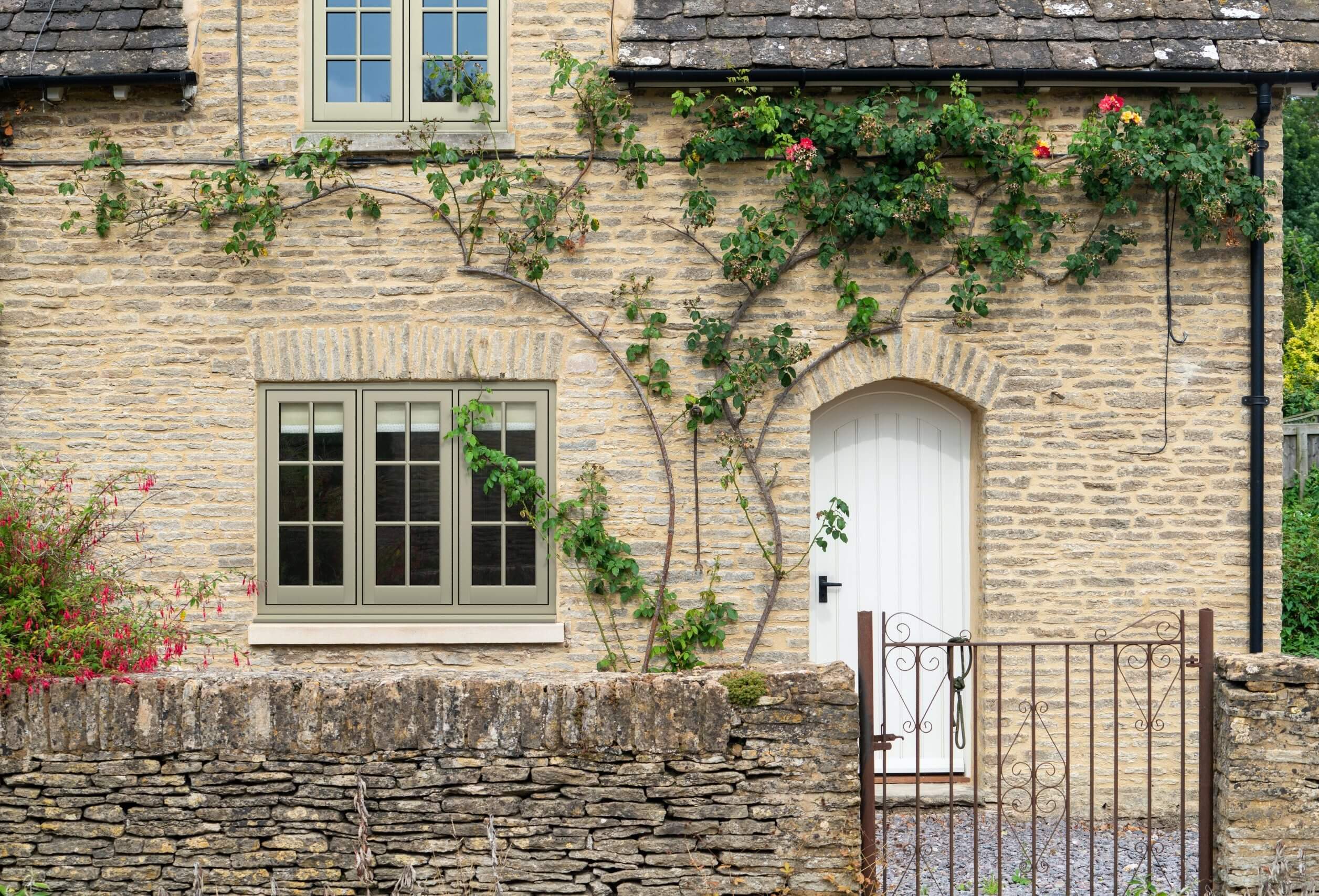

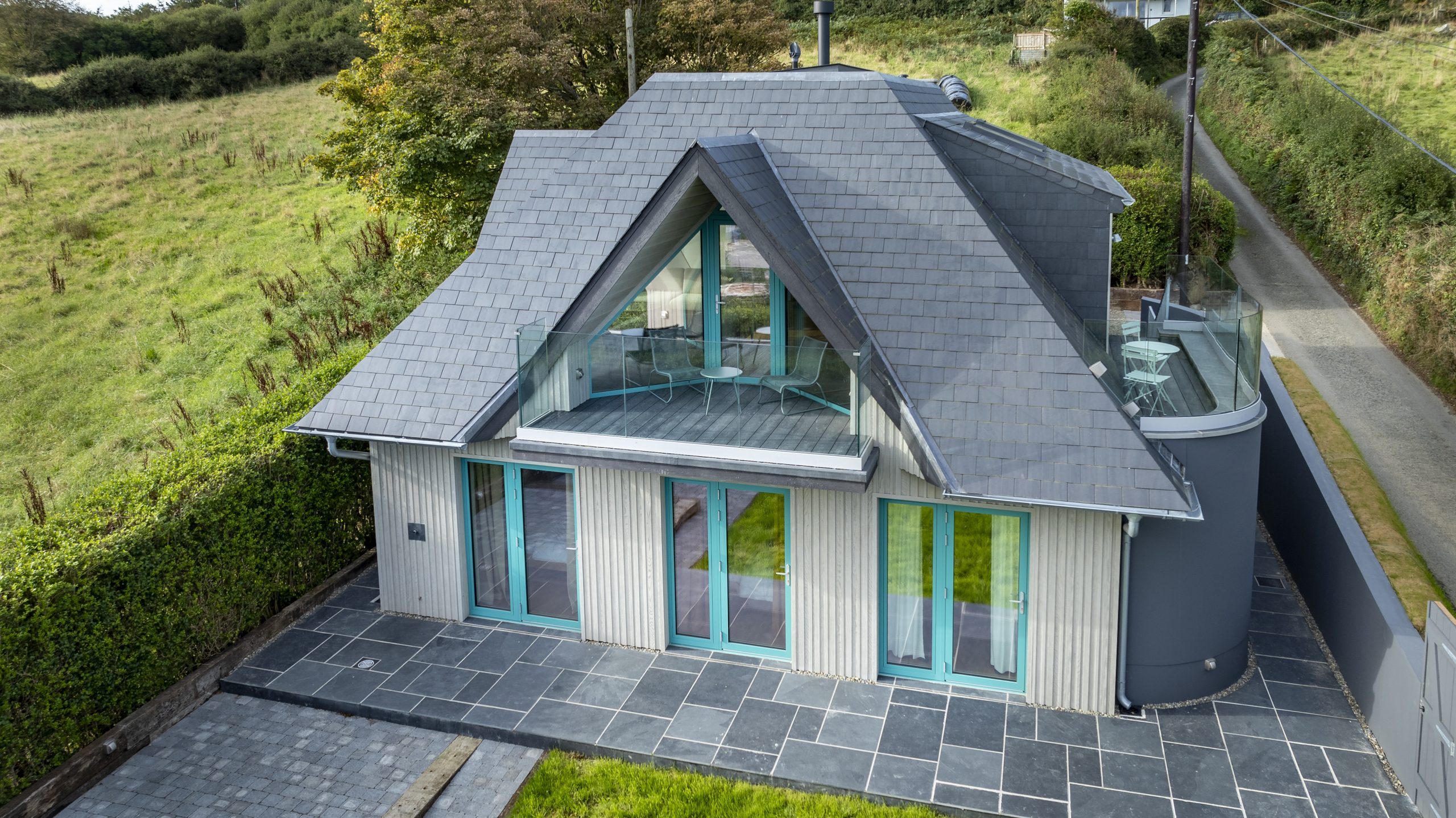


Cladding refers to the application of one material over another to provide an extra protective layer intended to control the damage that weather and the elements can cause, as well as providing an aesthetically pleasing style. This will typically be made up of wood, bricks, or vinyl when it comes to protecting your home.
Cladding plays a crucial role in protecting your home from environmental conditionals, helps to improve insulation and in turn, help reduce energy costs.
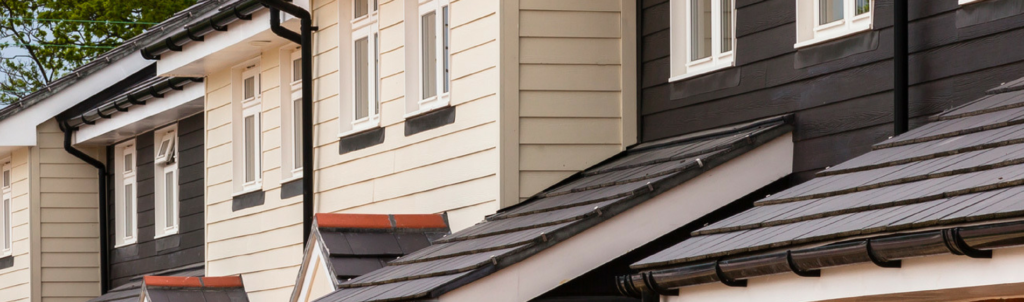
How to Maintain and Protect Cladding
Routine Cleaning
Regular cleaning can be essential in maintaining the appearance and the integrity of your cladding. Dirt, grime, and things like mould and lichen can not only make the appearance look unappealing, but will eventually damage the cladding protecting your home.
The frequency that you need to clean your cladding will depend on the material used and the local environment, but we typically recommend an annual cleaning to keep it perfect.
Regular cleaning is essential to maintain the appearance and integrity of cladding. Dirt, grime, and biological growth like mould can not only make the exterior look unappealing but also potentially damage the material. The frequency of cleaning required can depend on the cladding material and the local environment, but as a general rule, annual cleaning is advisable.
Periodic Inspections
You can carry out quick inspections twice a year to help check for any signs of damage. You’re looking for any cracks, dents or discolouration. Early detection of these issues can help prevent more severe damage, if they’re caught early enough, saving you money and maintaining the structural integrity of your home.
Repairs
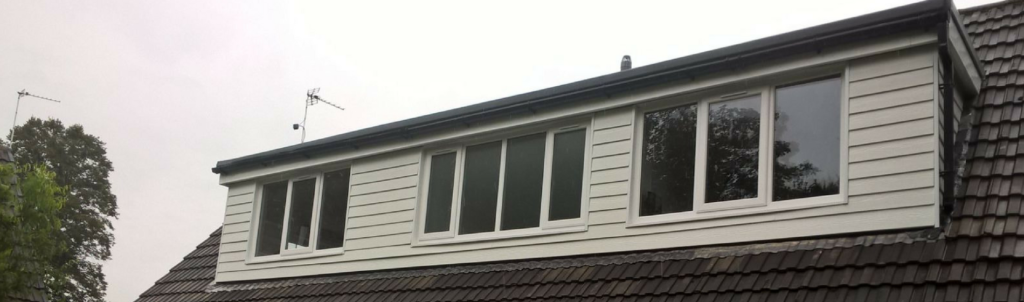
If you do find any damage, like a crack or a dent, getting them repaired promptly not only prevents further damage, but also continues the protection of your home. It’s important to speak with professionals at this point to make sure the right materials and repair methods are used, to keep your cladding in the best possible condition.
Protection from Physical Damage
If you can, you absolutely should take measures to protect your cladding from any physical damage, especially if you have landscape or renovations going on. Even if you don’t, there are steps you can take to help protect it yourself. Keep trees and shrubs trimmed, and it clear from plants like ivy that like to creep into any cracks they find. This will help protect your cladding in the long run.
Choosing the Right Materials
When installing new cladding or replacing sections, choosing suitable materials that can withstand local environmental conditions is critical. For example, in areas with high moisture or heavy rain, water resistant materials like vinyl or treated wood are preferable.Working with professionals, like our team here at JWS means you won’t have to stress about making the right choice. We’ll work with you to make sure the best options are available for you to choose from, and you’ll be safe in the knowledge that the work carried out will be perfect.
Professional Assessment
If unsure about the condition of your cladding or the best methods for maintenance and protection, consulting with professionals is advised. Our team can provide expert opinions and perform maintenance tasks without compromising the cladding’s integrity.
Cladding is not just an aesthetic feature for your home; it plays a vital role in protecting it from the elements and can significantly influence energy efficiency. Proper maintenance and routine inspections are essential to ensure that it continues to protect your home effectively. If you notice signs of wear or damage, or need advice on the best cladding options for your home, get in touch with us at JWS. Our team of experts is here to help you with top-quality solutions tailored to your needs. Learn more about our services and how we can assist you in maintaining your home’s safety and appeal.

- Why Aluminium Windows Are Ideal for Modern Homes - March 10, 2026
- Explore Our Range of Aluminium Doors - February 9, 2026
- What is Cladding and How to Maintain It? - November 28, 2025
Categories: Updates